


The Current State of UK Horse Racing: What Happens When It’s Not On
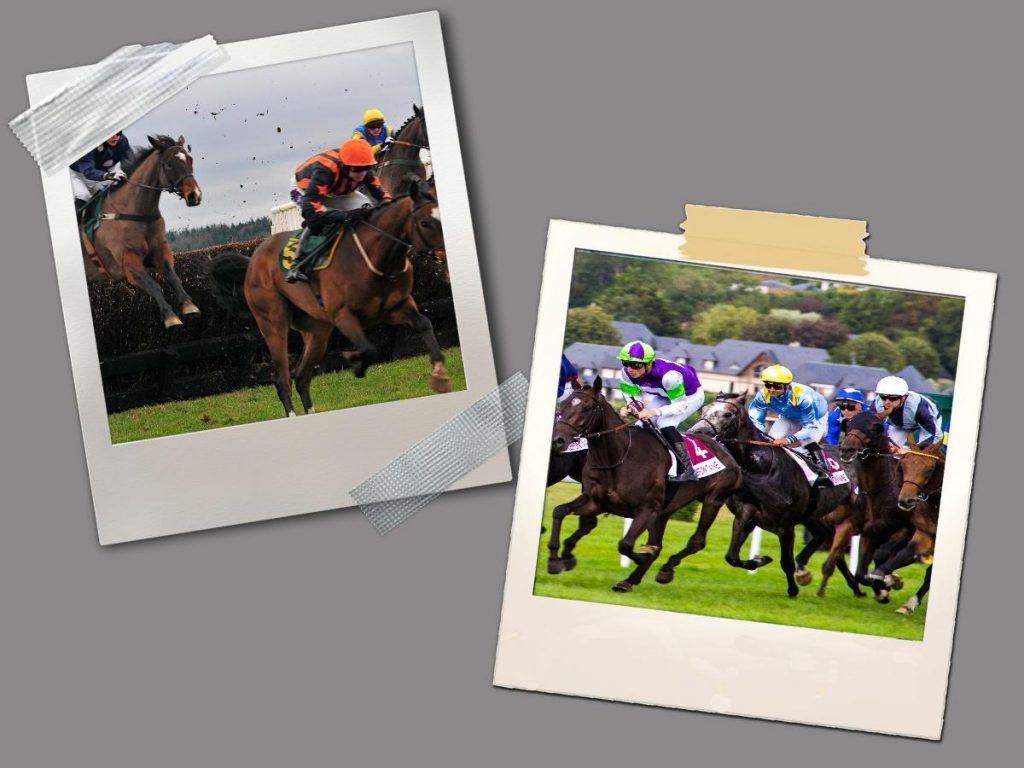
The UK horse racing scene is vibrant and rich with history, drawing thousands of fans each year. However, there are moments when the races aren’t taking place, whether due to seasonal changes, weather conditions, or other unforeseen circumstances. During these times, the effects spread across various sectors, from the racetracks to betting shops and beyond. While enthusiasts eagerly await the return of their favorite horses, it’s essential to consider the broader implications for the industry. Moreover, alternatives arise, such as UK horse racing not on GamStop horse racing not on GamStop, providing gamblers with different avenues to explore.
The Impact of Racing Off the Calendar
The absence of scheduled races can significantly impact the mood of the racing community. Race days are not just about watching horses run; they involve a whole ecosystem. Jockeys train rigorously for their mounts, owners invest heavily in their horses, and bookmakers rely on betting activity to sustain their business.
When races are off, jockeys and trainers may face downtime, affecting their livelihoods directly. In recent years, this has prompted discussions on financial safety nets for those in the racing industry. Just like any sport, the dependence on a full schedule means that when there’s a lull, potential earnings dry up.
Alternatives for Bettors
As horse racing fans wait for the next race day, they seek alternatives to satisfy their betting habits. The off-season often pushes bettors toward other forms of gambling, be it football, basketball, or online casinos. The emergence of platforms not bound by GamStop regulations has made it easier for bettors to access games, encouraging many to explore new avenues.
Streaming services and interactive gaming platforms also see an uptick in traffic when racing isn’t on. The sustained rise in interest in eSports provides another outlet, where fans can engage with competitive gaming as they would during a live horse race.
Community Engagement During Downtime
The lack of races means communities often rally together to fill the void. Many racetracks host social events or charity functions during slow periods, promoting camaraderie among supporters. During such times, informal gatherings and discussions about upcoming- or past races serve to maintain a sense of community.

Additionally, horse racing organizations often engage fans through social media, bolstering enthusiasm for future events. Online channels also serve as platforms for education about horse care, training, and the racing industry itself, ensuring that while the physical races may not be happening, the spirit of horse racing remains alive.
Economic Effects in the Region
Beyond individual livelihoods, the economic implications of horse racing on the UK economy are substantial. Local businesses near racetracks often depend on the influx of crowds on race days. Hotels, restaurants, and retail shops that cater to racing fans may make significant profits, but these gains diminish when racing is not on. The sector often faces challenges in driving traffic and maintaining cash flow.
In an effort to sustain business, some establishments pivot to hosting events catering to local residents or pivoting their services to other entertainment forms. This adaptability allows local economies to weather the storm but highlights the racing industry’s overall interconnected nature with regional economies.
Looking Ahead: The Future of UK Horse Racing
As the landscape of sports and entertainment evolves, horse racing in the UK must embrace innovation and adapt to changing consumer expectations. With advances in technology, including virtual horse racing and augmented reality experiences, the scope of what horse racing can offer fans is expanding.
Organizers may need to consider implementing flexible schedules or themed race days to attract new audiences and engage with current fans better. Creating partnerships with other sports and entertainment sectors can also generate interest when racing is not on, driving cross-promotion strategies.
Conclusion
When UK horse racing is not on, it casts a palpable shadow over the industry and its community. However, this absence also offers opportunities for reflection and renewal. As fans seek alternatives, businesses adjust, and communities come together, the spirit of horse racing continues to thrive beyond the racetrack.
In summary, while the tracks may temporarily fall silent, the industry possesses the resilience to adapt and find new pathways forward, ensuring that the thrill of horse racing will return even stronger.